
NUTRITION
The 8 Best Foods to Eat in the Morning
Breakfast is a great way to start your day.
While some people prefer to skip breakfast, others need a source of energy to get going.
If you enjoy breakfast, choosing nutritious foods may provide long-lasting energy and keep you full for hours. These foods are typically high in fiber, protein, healthy fats, and micronutrients.
While it’s best to avoid unhealthy options that are high in sugar, refined carbs, and additives, it’s not always easy to know what to choose. As such, the list below will help you build a healthy breakfast.
Here are 8 of the best foods and drinks to enjoy in the morning
1. Eggs
Eggs make a simple, nutritious breakfast choice.

They’re an excellent source of protein, which helps support muscle synthesis. Since protein takes a while to digest, it also helps keep you feeling full (1Trusted Source, 2Trusted Source).
In one study, people given eggs and toast for breakfast reported significantly less hunger than those given bran cereal, suggesting that the egg group’s higher protein intake — 25 grams versus 11 grams — promoted greater fullness.

Furthermore, the egg group ate fewer calories at lunch, suggesting that this dish may support weight management.
Additionally, egg yolks contain lutein and zeaxanthin. These antioxidants help prevent eye disorders like cataracts and macular degeneration.
Eggs are also one of the best sources of choline, a vital nutrient for brain and liver health.
Contrary to popular belief, eggs don’t raise cholesterol levels in most people despite their high cholesterol content. In fact, one review of 23 studies found that eggs have a mild protective effect against heart disease.
That said, try to limit your intake of highly processed breakfast items that are commonly paired with eggs, such as breakfast sausages and bacon. Instead, eat your eggs with other nutritious foods, such as whole grain toast, whole fruit, or sautéed vegetables.

SUMMARY
Eggs are high in protein and several important nutrients. They may promote fullness and help lower your calorie intake later in the day.
2. Coffee
Aside from water, coffee is the world’s most popular beverage. Approximately 85% of Americans drink coffee on a regular basis.
It’s high in caffeine, a molecule that promotes alertness, improves mood, and increases physical and mental performance. Notably, many athletes drink coffee as a natural pre-workout beverage to support sports performance.
It also contains other beneficial compounds, such as chlorogenic acid, caffeic acid, and diterpenes, which have antioxidant and anti-inflammatory properties.
In fact, regular coffee intake is associated with many health benefits, such as a lower risk of heart disease, type 2 diabetes, obesity, liver disease, Parkinson’s, certain types of cancer, and even death from all causes.

Most studies suggest that 1–3 cups (240–710 mL) per day — containing about 300–400 mg of caffeine — provide these benefits. Although this amount is safe for adults, you should limit yourself to 300 mg or less of caffeine per day if you’re pregnant.
Finally, it’s best to drink your coffee black or with dairy or plant-based milk. Try to use sugar sparingly or avoid it altogether, as too much sugar is linked to health risks.
SUMMARY
The caffeine in coffee promotes alertness and enhances physical and mental performance. Drinking coffee regularly is associated with a lower risk of illnesses.
3. Oatmeal
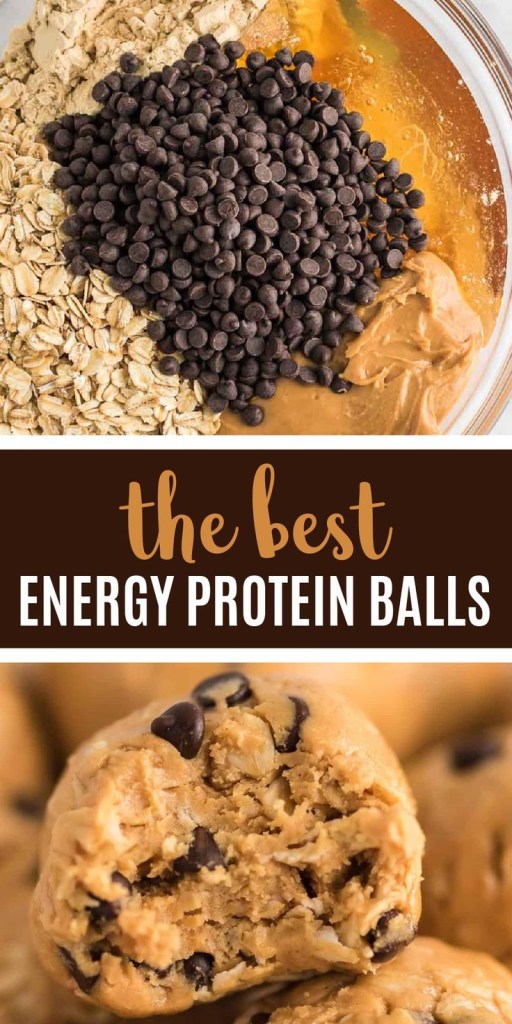
Oatmeal is a classic breakfast option — and it’s nutritious to boot.
It’s made from rolled or steel cut oats, which contain a unique fiber called beta glucan.
This soluble fiber not only helps reduce cholesterol levels but also promotes feelings of fullness by delaying stomach emptying and triggering the release of peptide YY, a fullness hormone that may prevent overeating.
Plus, oats are a good source of iron, B vitamins, manganese, magnesium, zinc, and selenium.
They also contain around 10 grams of protein per cup (81 grams). To boost the protein content, make oatmeal with milk instead of water, mix in some protein powder, or serve it with a side of eggs.
Keep in mind that oats don’t contain gluten but are often processed alongside gluten-containing grains, which increases the risk of cross contamination.
Therefore, people with gluten-related disorders should choose oats that have been certified gluten-free.
SUMMARY
Oatmeal is rich in beta glucan, a type of fiber that may lower cholesterol levels and increase feelings of fullness. It also contains many vitamins and minerals.
4. Berries
Berries — including blueberries, raspberries, strawberries, and blackberries — are delicious and packed with antioxidants.
Most are high in fiber, which promotes fullness. In fact, raspberries and blackberries each provide an impressive 8 grams of fiber per cup (123–144 grams).
Plus, 1 cup (123–144 grams) of berries contains only 50–85 calories depending on the type.
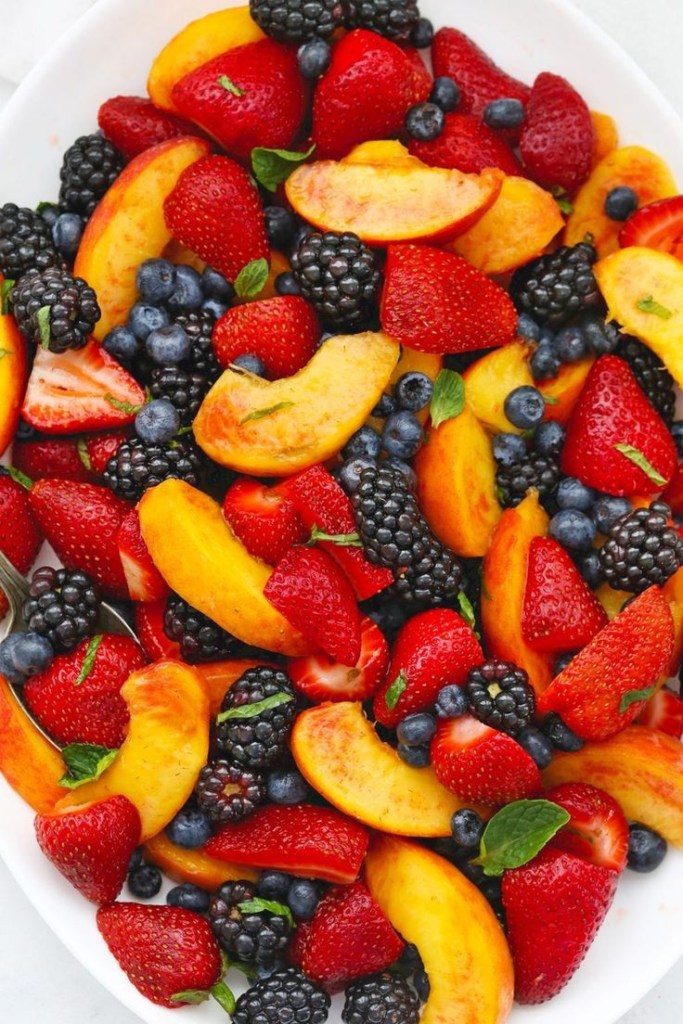
Berries also offer antioxidants called anthocyanins, which provide their characteristic blue, purple, and red colors. A diet high in anthocyanins is linked to reduced inflammation and a lower risk of illnesses like heart disease and certain types of cancer.
Additionally, anthocyanins are associated with better brain health and may protect against age-related mental decline.
You can purchase berries year-round either fresh or frozen. Add them to Greek yogurt, cottage cheese, oatmeal, or a fruit smoothie for a tasty breakfast.
SUMMARY
Berries are high in fiber and low in calories. They’re also rich in antioxidants that may decrease your risk of disease.
5. Whole wheat toast
If you prefer a simple breakfast in the morning, give whole wheat toast a try.
Whole grain toast is high in fiber and complex carbs, which digest slowly and don’t rapidly raise blood sugar levels.

You can spread any number of nutritious toppings on whole wheat toast, including:
fried eggs and tomatoes
avocado and chili flakes
peanut butter and banana
cottage cheese and strawberries
sliced figs and honey
tuna
sliced turkey or chicken
baked beans
egg salad
For extra fiber and protein, try sprouted grain bread, 2 slices of which provide around 8 grams of fiber and 10 grams of protein.
SUMMARY
Whole wheat toast is a good source of fiber. Plus, you can top it with a wide variety of nutritious spreads.
6. Nuts
Nuts of all types are high in magnesium, potassium, and heart-healthy monounsaturated fat. They’re also a great source of antioxidants.
Brazil nuts are one of the best sources of selenium. Just 2 Brazil nuts provide more than 100% of the Daily Value (DV).
Although nuts are high in calories, studies suggest you don’t absorb all of their fat.
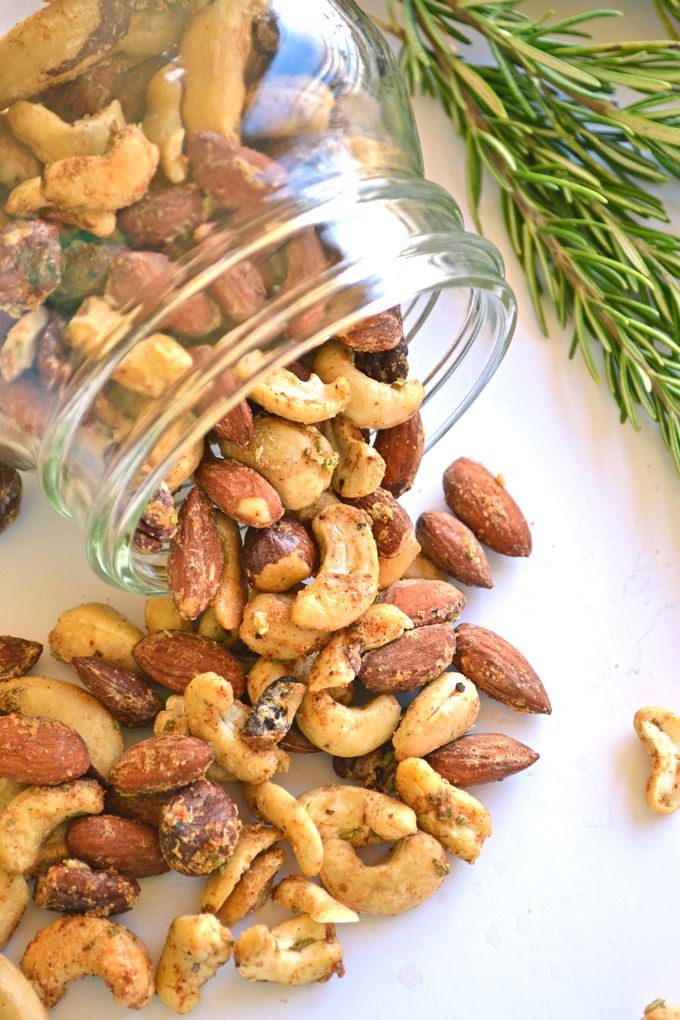

For example, some studies show that your body only absorbs about 129 calories from a 1-ounce (28-gram) serving of whole almonds, though you absorb more fat from processed versions, such as almond butter.
Another study notes that your body only absorbs 80% of the calories from almonds and walnuts.
Furthermore, nuts’ high protein, fat, and fiber contents promote fullness, which may aid weight management.
Nut intake is also linked to better heart and brain health. In fact, one study associated eating peanuts and tree nuts 2 or more times per week and walnuts 1 or more times per week with a 13–19% reduced risk of heart disease.
Topping Greek yogurt, cottage cheese, or oatmeal with a spoonful or two of chopped nuts is a great way to increase your breakfast’s nutritional value.
SUMMARY
Nuts are a filling, nutrient-dense food that may help reduce heart disease risk and promote brain health.
7. Green tea
Green tea is a soothing drink to get you going in the morning.
It contains caffeine, which improves alertness and mood. One cup (240 mL) provides only 35–70 mg of caffeine, which is about half the amount in the same serving of coffee.
It’s also high in L-theanine, a compound that promotes a calming effect and may reduce the “jitters” linked to caffeine intake. It may also improve mood and reduce anxiety.
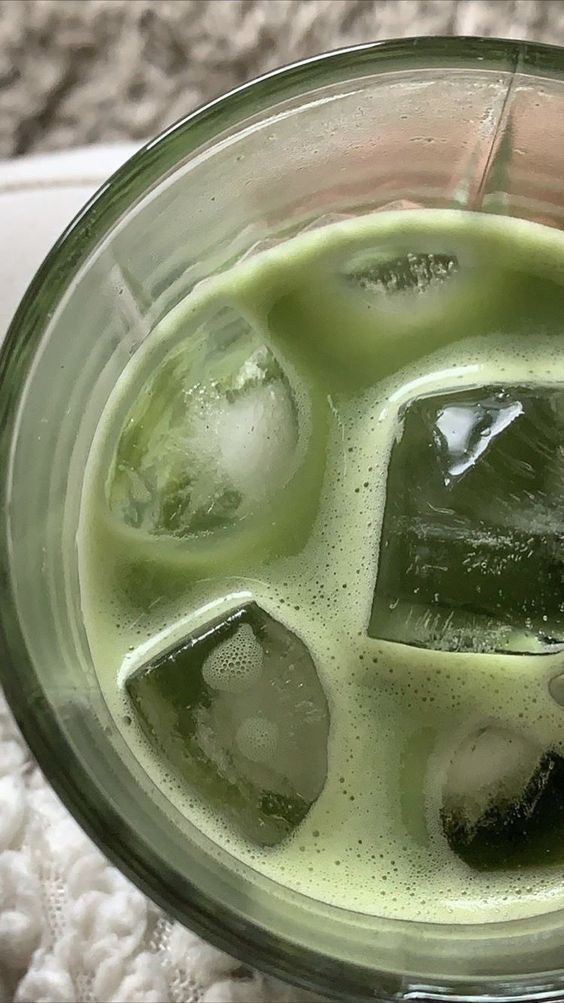

Finally, green tea provides epigallocatechin gallate (EGCG), an antioxidant that protects against chronic ailments like heart disease, type 2 diabetes, and mental decline. It may also have a mild effect on metabolism, though more research is needed.
SUMMARY
Green tea contains caffeine, as well as an antioxidant called EGCG, which is tied to a reduced risk of chronic disease and better brain health.
8. Fruit
Tatjana Zlatkovic/Stocksy United
If you don’t want a full meal but still crave a bite to eat in the morning, try fruit.
All fruits are relatively low in calories and contain good amounts of fiber and simple sugars. The fiber in fruit helps slow your body’s absorption of its sugars, giving you a steady source of energy.
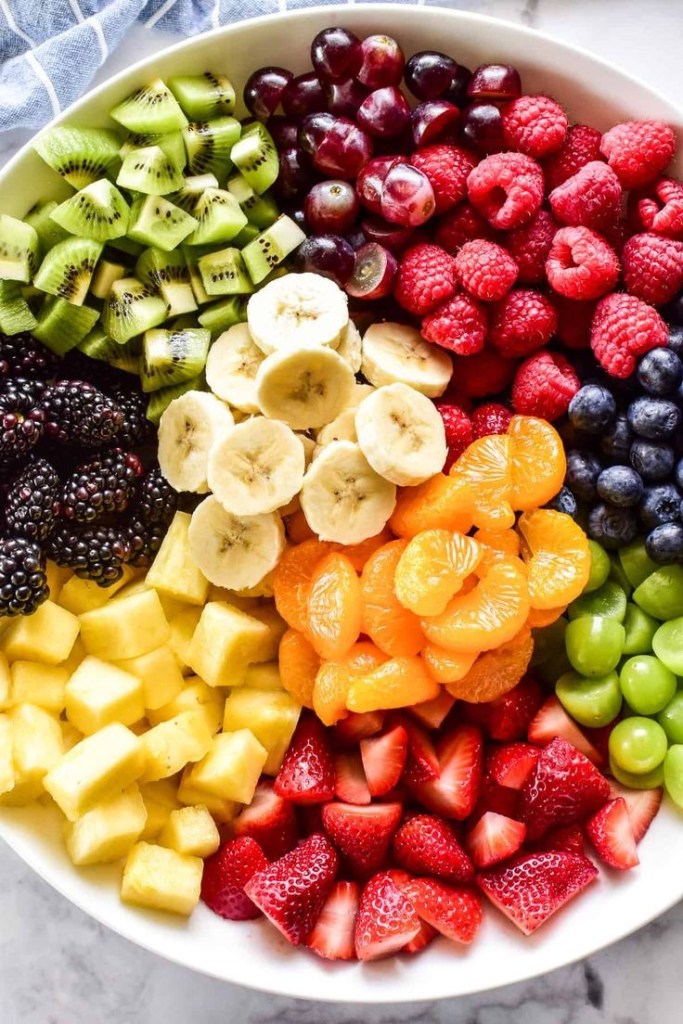
Depending on the type of fruit, you’ll also get various vitamins and minerals.
For example, many fruits — including oranges, guava, kiwi, strawberries, papaya, acerola cherries, and lychee — are high in vitamin C, which acts as an antioxidant and plays a key role in skin health.
Other fruits like bananas, oranges, cantaloupe, papaya, and mango are high in potassium.
Furthermore, fruits provide an array of polyphenol compounds and antioxidants depending on their color. For instance, guava is high in lycopene while purple plums pack anthocyanins. This is why it’s important to eat fruits of various colors.
Research indicates that eating whole fruit may offer numerous benefits, such as a decreased risk of heart disease and cancer, lower rates of depression and poor mental health, healthy aging, and better gut health.
Since fruit juice lacks fiber and is less likely to keep you full, it’s best to stick with whole fruit most often.
For a balanced breakfast, pair fruit with high protein foods, such as eggs, Greek yogurt, or cottage cheese.
SUMMARY
Eating a variety of fruits provides you with different vitamins, minerals, and antioxidants. What’s more, most fruits contain high amounts of fiber that may promote fullness and keep your blood sugar levels stable.
The bottom line
If you enjoy breakfast, try to start your day with a nutritious meal.
While breakfast options abound, the best choices are high in fiber, protein, healthy fats, vitamins, and minerals.
Many nutritious, healthy foods and drinks are also easy to prepare in the morning. These include fruit, whole grain toast, eggs, green tea, coffee, and protein shakes.
Just one thing
Try this today: For the next week, plan your breakfasts ahead of time based on your schedule and preferences. Make sure each breakfast contains at least one food that’s high in protein, another that’s high in fiber, and at least one fruit or veggie.
Meal tutorials: everyday breakfast
 HEALTHY FOOD AFFAIRS